INDIGENOUS MATERIAL STUDIES/ EARTH NOTES/
A series on prototyping terrazzo and red clay brick — process, materials, and what it takes to show up for the work

VOL. 1: THE PLANNING STAGE
I am on a design mission to prototype earth bricks and clay terrazzo.
Some of you may already know this about me, but I am both professionally trained and spiritually ordained lol!!! 🤣 as a designer. I also run an indigenous design laboratory here between Lagos and Ibadan.
And what is more indigenous tech, more indigenous design, than literally working with earth?
This series will document that process — both the procedural stuff, and the internal landscape and inner work of making.
Some of it will be free. Some of it will be for paid subscribers.

Why discuss inner work as part of the process?
As an indigenous designer whose practice centers indigenous technology and indigenous forms of making, relationality is core to what I’m doing. And to me relationality isn’t only about my relationship to materials or to a particular making tradition — it includes my relationship to myself within the process. Presence with wherever I actually am.
Because of my institutional trauma from my academic and design training. One of the questions I’m always sitting with is: how do I make the space of making — the actual site of trying again, of creating despite the weight of past experiences — a site of repair? How do I keep this process from just reproducing the same traumatic residue I’m trying to move out of?
That’s part of what I’m documenting here.
Time as a collaborator.
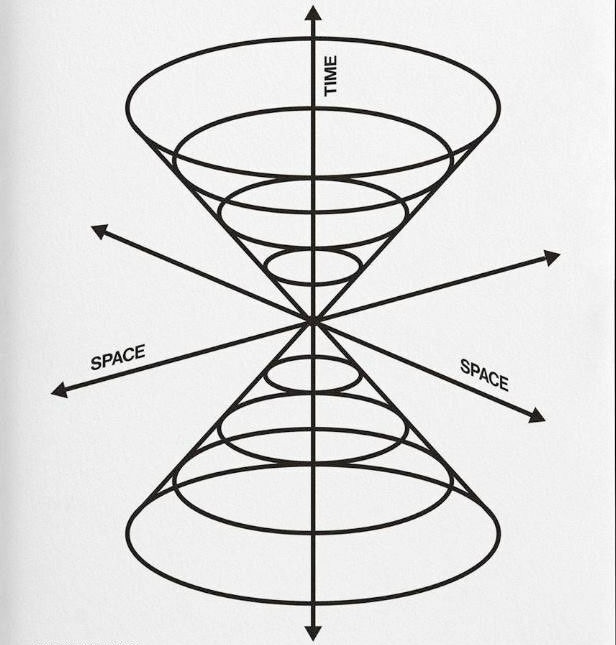
The first thing I’ve been learning is that as someone who wants indigenous practice to be core to my actual making, I have to submit to time as a material. As a tool. As a resource. As a kin who is co-making with me. If the right timing isn’t available, nothing else will be available either.
That showed up immediately in the sourcing stage.
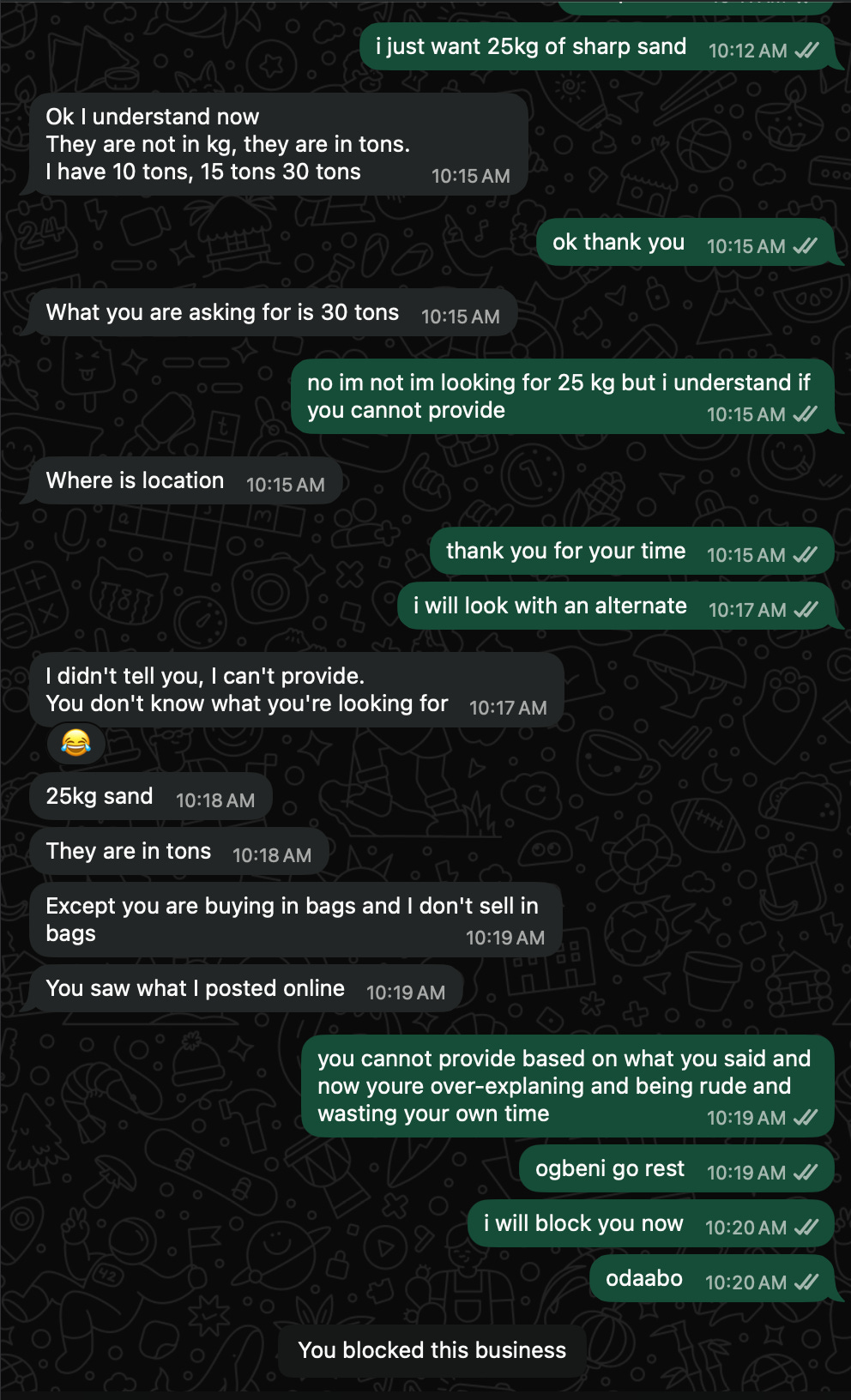
A lot of these supplies — hydrated lime, sharp sand, other aggregates — I’d tried to find online in the past. And getting these materials in small quantities online is difficult. They’re construction supplies here in Nigeria so their minimum order quantity tends to begin in the tonnes . Sourcing took a while, and I needed to make peace with that.

Here’s how I broke the planning stage down in a way that was actually self-compassionate:
Step one: Figure out the absolute minimum I need to produce a prototype. Just a prototype — not a finished piece, not a collection. I identified the overlap in supplies between the terrazzo and the brick work, figured out rough quantities, and made one list.
Step two: On the same day I made the list, I identified different suppliers in Lagos that seemed to carry what I needed and wrote them all down but didn’t contact anyone yet.
Step three: Several days later I started reaching out. I made the job of that day to reach out, not to commit, not to pay. Just to let suppliers know what I needed, get estimates, and that I’d follow up when I was ready.
That separation turned out to be really important. It meant that instead of managing financial anxiety and supplier logistics at the same time, I could just copy-paste the same request and to each person and focus on processing that layer— the pricing, the logistics, and whatever nonsense came up along the way *cough male chauvanism*